

News & Events
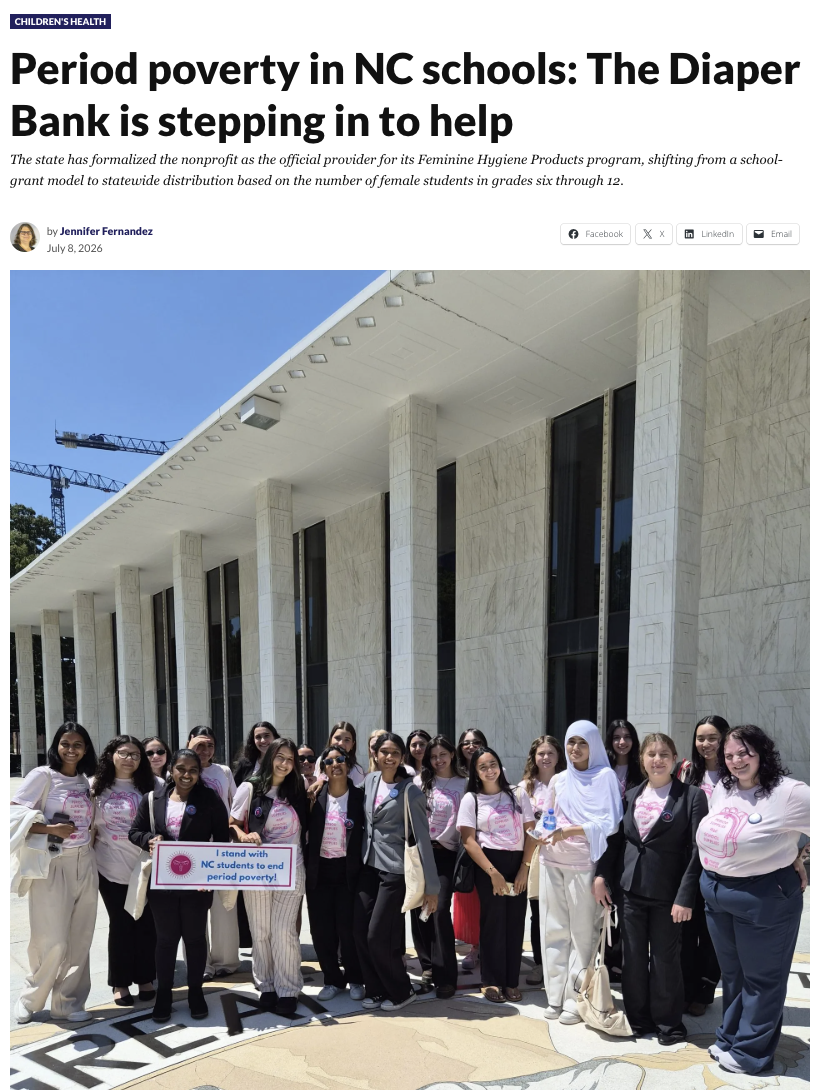
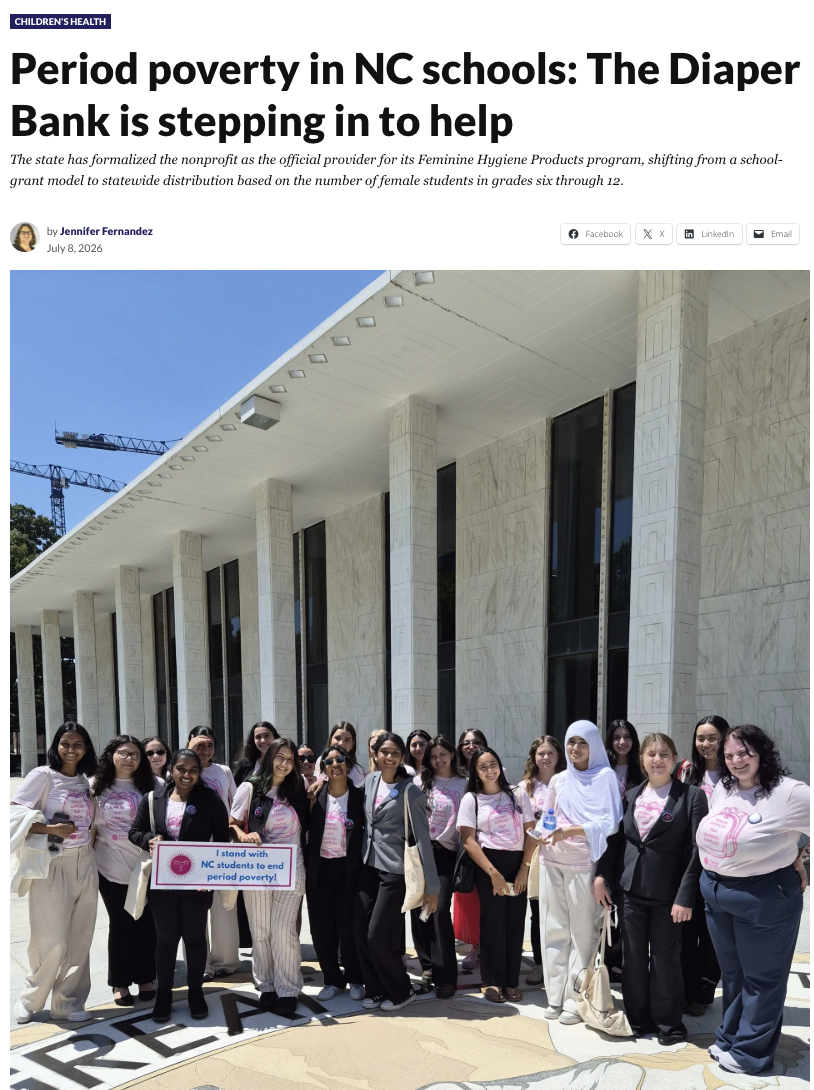
Period poverty in NC schools: The Diaper Bank is stepping in to help
Period poverty in NC schools: The Diaper Bank is stepping in to help
The state has formalized the nonprofit as the official provider for its Feminine Hygiene Products program, shifting from a school-grant model to statewide distribution based on the number of female students in grades six through 12.
by Jennifer Fernandez July 8, 2026
Key takeaways:
Since 2014, the Diaper Bank of NC has distributed more than 3 million period supplies to North Carolina schools, and the state has now formalized the nonprofit as the official provider for its Feminine Hygiene Products program, shifting from a school-grant model to statewide distribution based on the number of female students in grades six through 12.
Period poverty is a significant problem for NC students — one in four teens has missed class because they didn’t have tampons or pads, according to Alliance for Period Supplies, and demand for the state’s grant program consistently outpaces funding. Nearly twice as many districts apply as can be awarded grants each year.
As of July 2026, North Carolina is one of 18 states that still tax period products, though a bipartisan bill — House Bill 1200, the “Tax-Free Family Essentials Act” — has passed the N.C. House of Representatives and could eliminate that tax if approved by the state Senate.
Since 2014, the Diaper Bank of North Carolina has given out more than 3 million period supplies to schools across the state.
When the nonprofit first started giving out tampons, sanitary pads and other items, the term “period poverty” was not used much in the United States, said founder and CEO Michelle Schaefer.
“It was something that we talked about happening in Third World countries, but period poverty really wasn’t a term you heard often,” she said. “And we certainly were not hearing about it happening in our own schools, in our own communities.”
But it is happening, she said.

Math, meals, period products and book challenges: What's in the budget for K-12 education
Math, meals, period products and book challenges: What's in the budget for K-12 education
The budget, unveiled Tuesday by lawmakers, includes everything from math education improvements to banning “meals of shame” for students and new rules for teacher licensure.
By Emily Walkenhorst, WRAL education reporter
North Carolina lawmakers’ newly unveiled state budget contains dozens of policy changes and budget adjustments affecting K-12 education.
It’s the first budget proposal between the House and Senate in nearly three years, totaling more than 600 pages of changes to state government. The House hopes to begin voting on it this week.
The budget, released Tuesday, includes everything from math education improvements to banning “meals of shame” for students and new rules for teacher licensure.
That’s in addition to 8% average raises for teachers — with higher raises for less-experienced teachers — and varied bonuses for teachers, unveiled last month. Teachers with 16 or more years of experience would receive $1,000 bonuses, and teachers with less than that would receive $500 bonuses.
The proposal would spend $15.6 billion on public schools, the biggest area of expense in the state budget. That's up from $14.6 billion.
Raises and bonuses for instructional staff alone would cost about $600 million and most other new education funding would go toward compensation and benefits. That's paid for in part by cuts to vacant jobs across state government, freeing up funds that haven't been spent in some time. It's also paid for in part by a drop in public school enrollment that will save the state about $100 million next year in estimated per-student spending.
Among the other proposals in the budget:
Math changes. The budget proposes changes to math education, including adding screeners for math deficits for young students and requiring more time on grade-level math in low-performing schools. Students struggling in math would also get individual plans to help them. The budget also includes provisions for contracts for new math initiatives and funding to buy another state's K-8 math curriculum and adapt it for North Carolina. That last part is funded with $10 million saved by the state from public school students who moved to private schools in the past two years.
Bonuses. The state is using the rest of its savings from those students on two other projects: $17 million for a bonus of $1,750 for all school nutrition and custodial staff and $13.8 million for middle school teachers' professional development in literacy.
Literacy. The bill would also extend literacy screening to fourth and fifth graders, along with parental notice of any reading difficulties shown by the screeners. Current law requires those for kindergarten through third grade. The budget proposal also would automatically enroll certain students in advanced English language arts classes. Any middle school and high school students who test well in English would be moved up, unless their parents or guardians objected. The state already does that in math, and leaders have credited that with enrolling more students in advanced coursework, including students across historically underrepresented demographics.
Period products. The budget would also change a highly popular grant program for period products into a program that disburses the products to schools based on the numbers of sixth- through 12th-grade girls they enroll. The period products are free for students to use, and they would be provided by the Diaper Bank of North Carolina.
School meals. The budget would also incentivize schools to participate in the federal school meals program that provides free meals to all students, called the Community Eligibility Provision program. It would incentivize schools to participate by funding any portion of the meals not covered by the federal reimbursement for serving them.
‘Meals of shame.’ The draft budget would also prohibit schools from serving so-called “meals of shame” to students in too much meal debt. In many school districts — including Wake until this past school year — students who have borrowed more than a few meals' worth from their cafeteria are served a substitute meal that includes only fruits and vegetables and no protein-based entree. The change could come at a temporary cost for school cafeterias, as they await reimbursement from families in debt.

NC lawmakers consider bill to cut sales tax on certain family essentials
WSCOTV
CHARLOTTE — North Carolina lawmakers may make it easier to buy family essentials.The House Finance Committee will debate a bill on Tuesday that would exempt tampons, diapers and baby wipes from sales tax.If signed into law, the measure would take effect Oct. 1.
The bill originally called for exempting prenatal vitamins and over-the-counter children’s medicine from sales tax as well, but the bill sponsor says there are conflicts with the state’s sales tax policy.
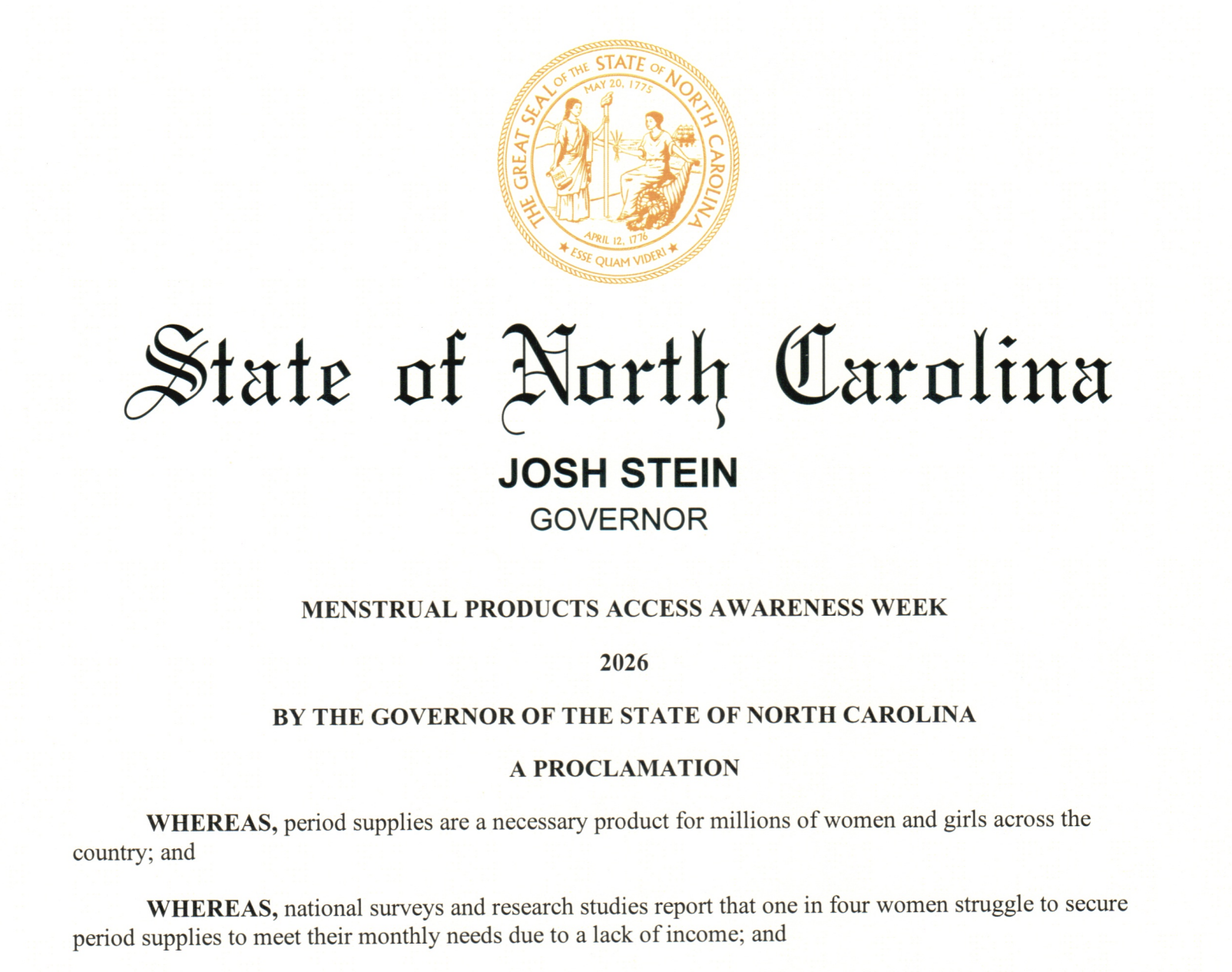
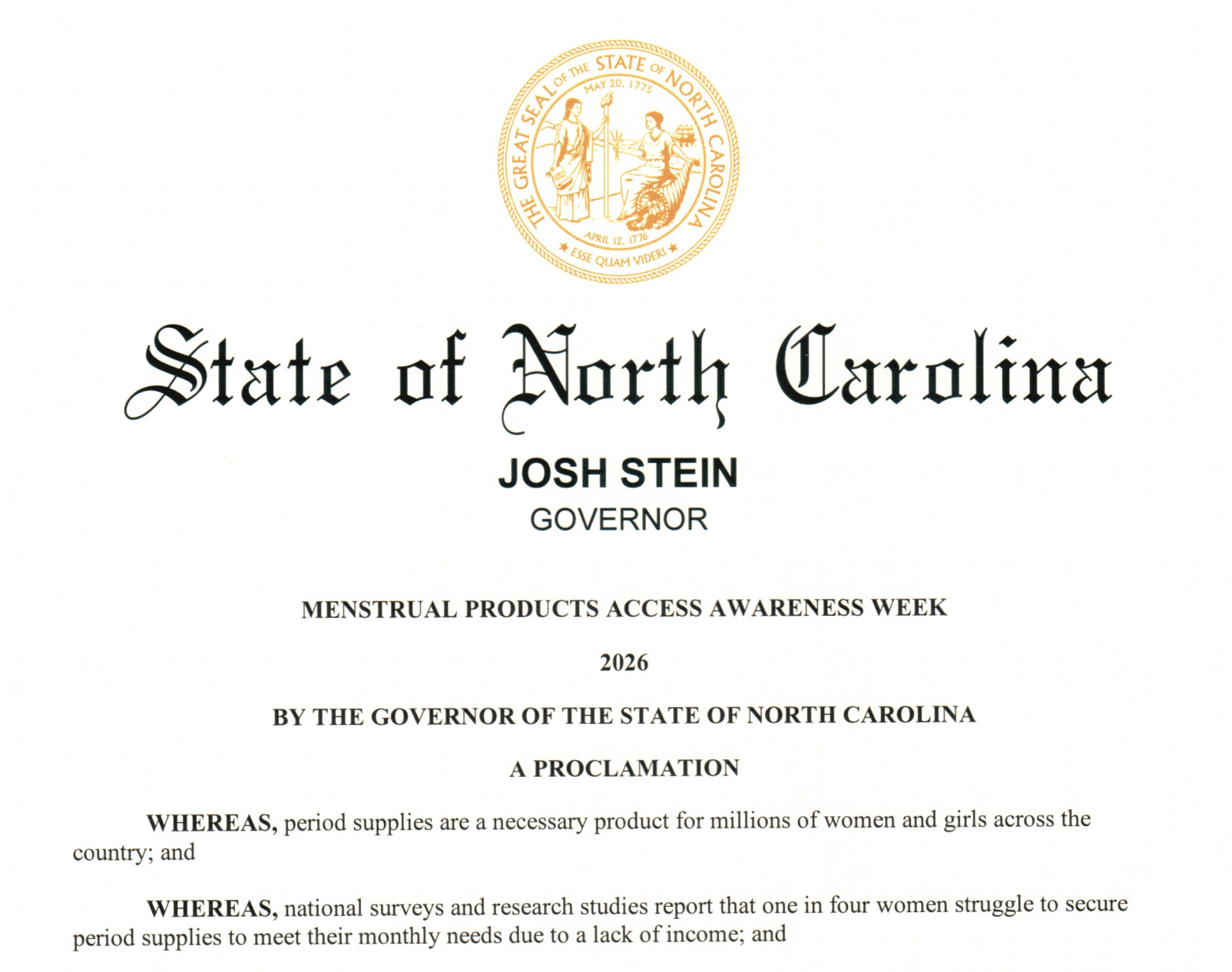
Governor Stein Proclaims Menstrual Products Access Awareness Week
Governor Stein Proclaims Menstrual Products Access Awareness Week
Menstrual Products Access Awareness Week
2026
By The Governor Of The State Of North Carolina
A Proclamation
Whereas, period supplies are a necessary product for millions of women and girls across the country; and
Whereas, national surveys and research studies report that one in four women struggle to secure period supplies to meet their monthly needs due to a lack of income; and
Whereas, this lack of period supplies, known as period poverty, can adversely affect women’s health and well-being; and
Whereas, this lack of access exacerbates the vicious cycle of poverty by forcing one in five women to withdraw from daily life, losing pay or missing educational opportunities because of menstruation; and
Whereas, the people of North Carolina recognize that this is a public health issue, and addressing it can lead to economic opportunity for North Carolina’s people and surrounding communities and improved health for women and girls, thus ensuring all people have access to the basic necessities required to thrive and reach their full potential; and
News Release: Alpha Kappa Alpha Sorority, Incorporated® Mid-Atlantic Region Conducts Largest Drive To Date For Diaper Bank Of North Carolina’s Period Power Project
NEWS RELEASE
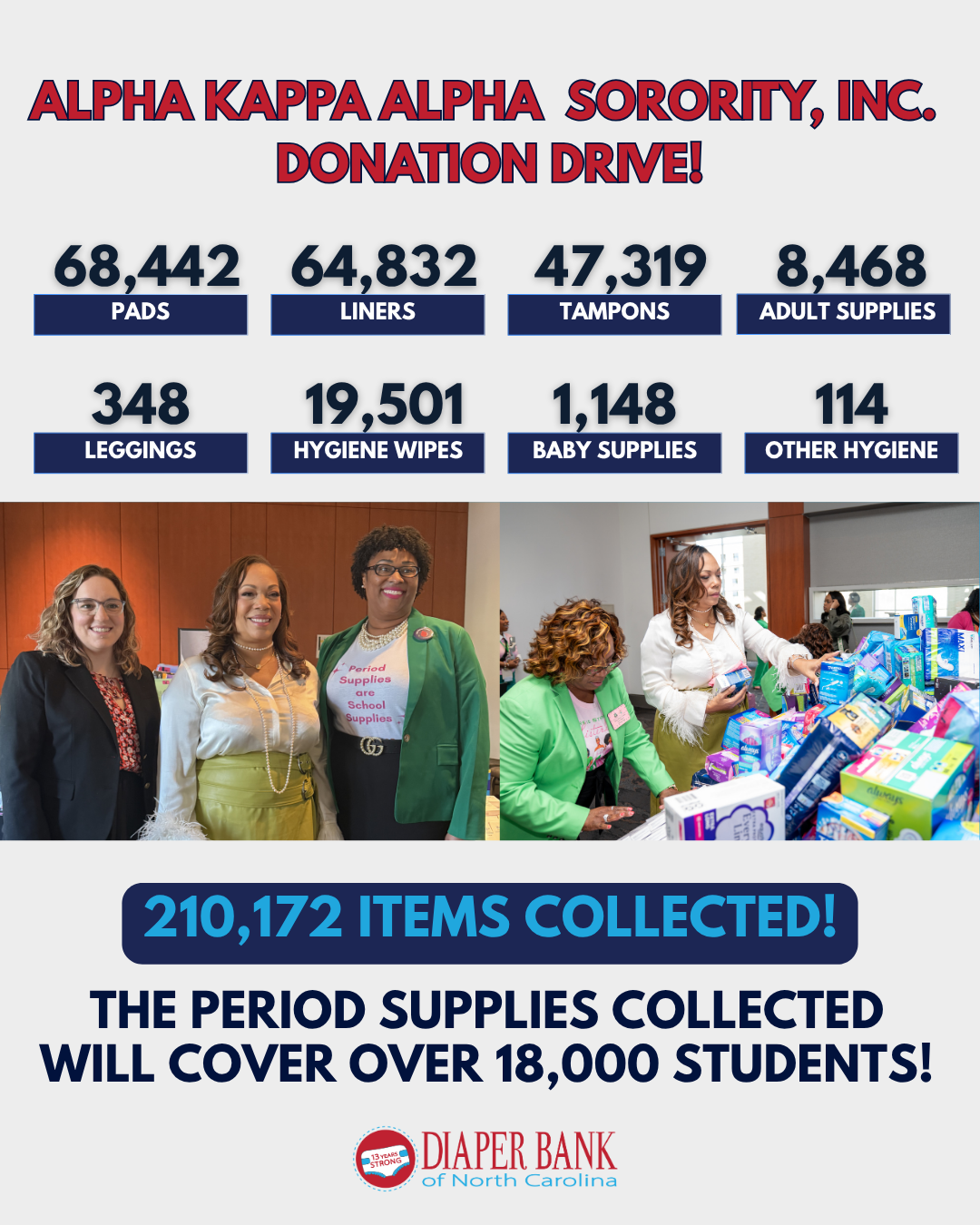
Organization Donates More Than 210,000 Items For Community Service Project During 73rd Regional Conference Held in March in Raleigh
RALEIGH, N.C.— Alpha Kappa Alpha Sorority, Incorporated® – the oldest service organization founded by college-educated African American women in 1908– Mid-Atlantic Region announced that members collected a record number of donations supporting the Diaper Bank of North Carolina’s Period Power Project and the sorority’s “We Are Legendary Period!” community outreach initiative. The initiative was part of the Region’s 73rd Mid-Atlantic Regional Conference, held in Raleigh on March 19-22, 2026.
According to the Diaper Bank of North Carolina, Alpha Kappa Alpha conducted the largest drive for the organization’s Period Power Project to date, by providing 210,172 items. This total includes menstrual hygiene items, such as 68,442 pads, 47,319 tampons, 19,501 hygiene supplies and 8,468 adult supplies, as well as 64,832 liners, 348 clothing items. Members also provide 1,148 baby supplies and 114 other hygiene items to support the Diaper Bank of North Carolina.
“This was an extraordinary act of community leadership. Alpha Kappa Alpha Sorority, Inc.® has set a powerful example of what it looks like to show up with purpose and compassion,” said Michelle Schaefer, CEO and Founder of the Diaper Bank of North Carolina. “This is one of the most impactful Period Power drives we have seen, and it will directly help ensure that individuals across North Carolina have access to the basic essentials they need to live with dignity. We are deeply grateful for their partnership and commitment to this work.”
The Diaper Bank of North Carolina is addressing period poverty in North Carolina through its Period Power initiative. The project supplies over 1,000 public schools at the elementary, middle and high school levels with pads, tampons, black leggings and underwear so that young menstruating individuals can focus on their learning instead of their basic hygiene.
“Alpha Kappa Alpha women continue to demonstrate extraordinary generosity, and our overwhelming support of the Diaper Bank’s Period Power Project reflects the very essence of who we are,” said Nadine Vargas Stewart, Mid-Atlantic Regional Director, Alpha Kappa Alpha Sorority. “Ensuring that individuals have access to essential menstrual care is deeply connected to our mission of service to all mankind, and our members showed up with purpose and compassion. We are profoundly grateful to the Diaper Bank of North Carolina for partnering with us on this critical initiative and for their unwavering commitment to preserving dignity for those they serve,” said Vargas Stewart.
NC food banks distribute groceries to TSA agents
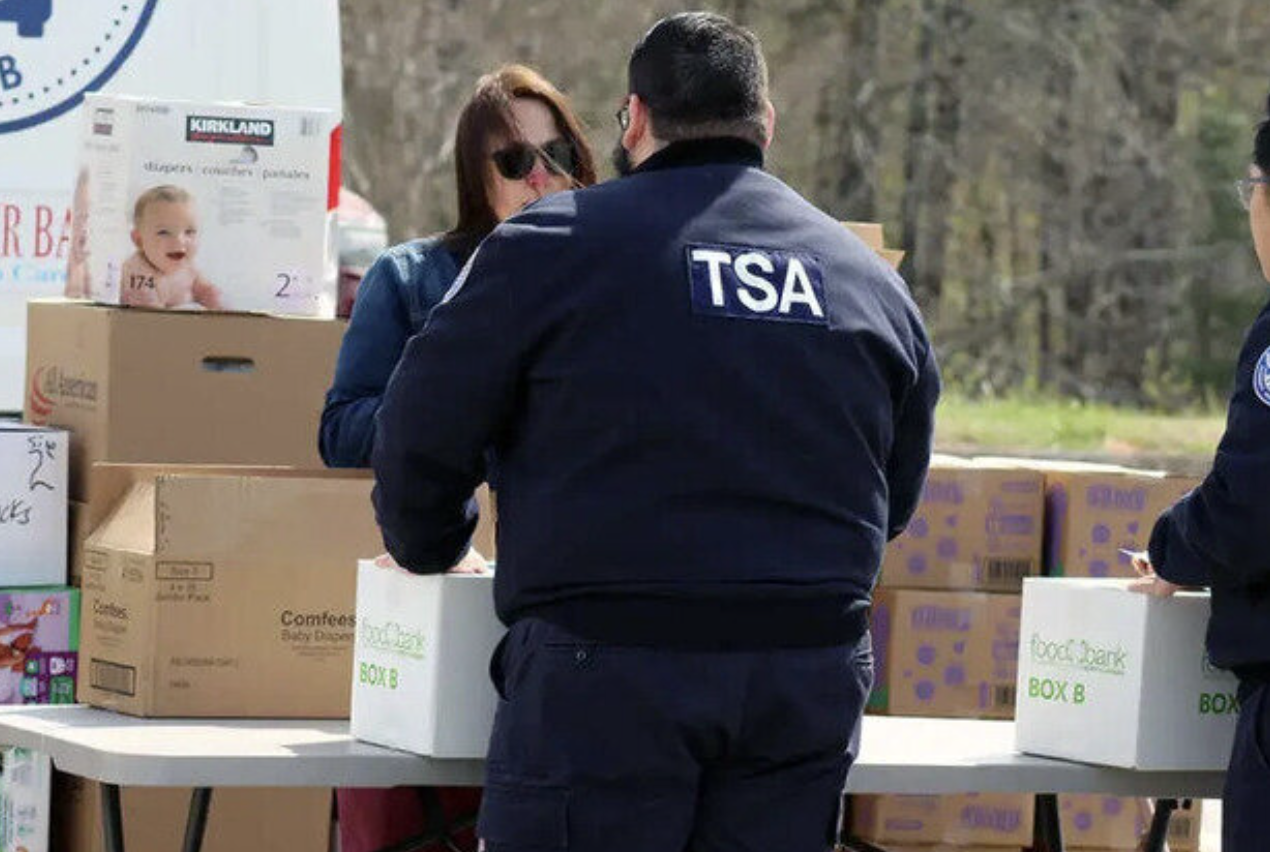
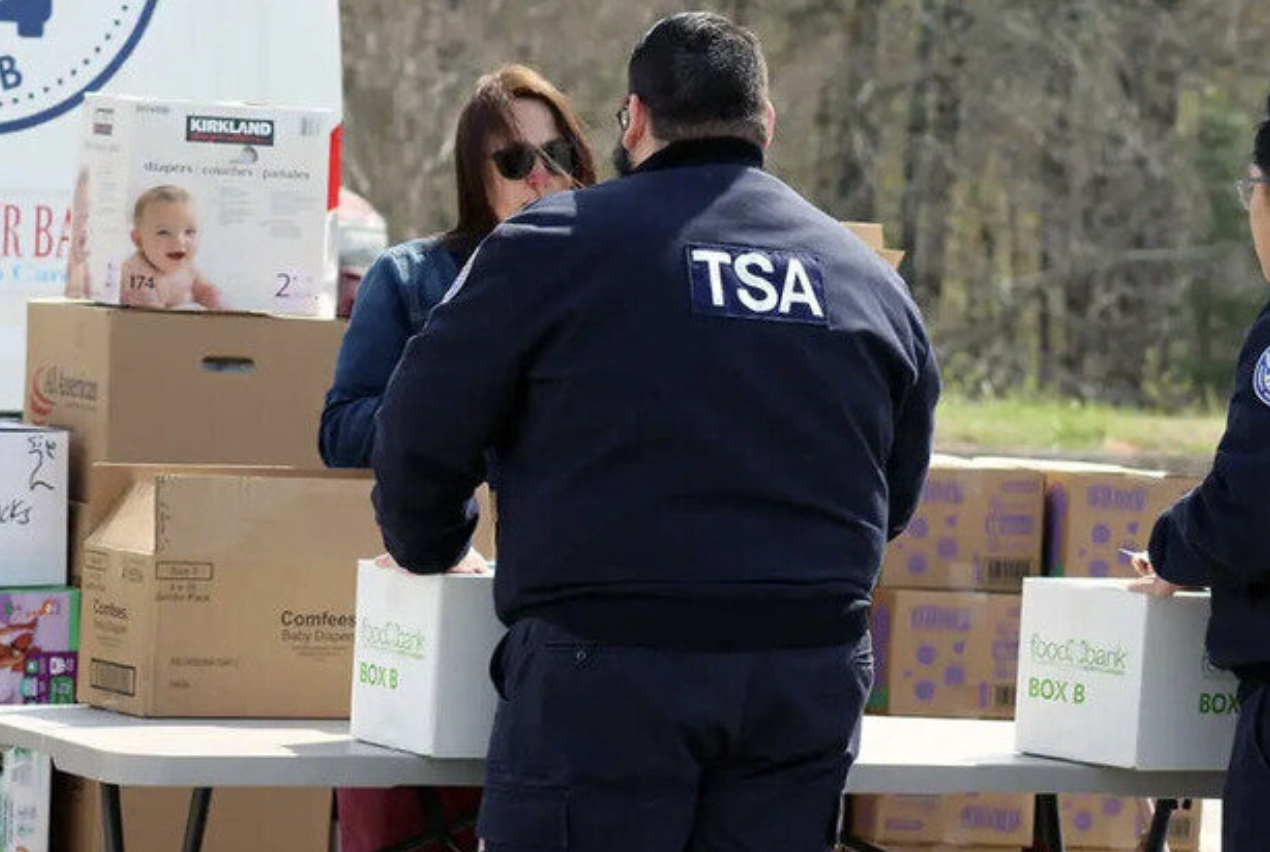
Even though Transportation Security Administration agents are starting to get paychecks again, one union official pointed out their household bills have piled up, so North Carolina food banks are helping to ease the effects of the partial government shutdown.
Big News Network- Zamone Perez - 6th April 2026
Even though Transportation Security Administration agents are starting to get paychecks again, one union official pointed out their household bills have piled up, so North Carolina food banks are helping to ease the effects of the partial government shutdown.
TSA employees had indirectly fallen victim to the congressional impasse over funding for ICE and Border Patrol in the Department of Homeland Security budget. Paychecks started arriving again on March 30, after President Donald Trump signed an executive order.
Mac Johnson, president of the American Federation of Government Employees Local 0449, which represents TSA employees at Raleigh-Durham International Airport, said agents still are not yet on firm financial footing.
"They still have to catch up on their bills," Johnson pointed out. "I anticipate within a week or two that all of those funds will be exhausted, catching up on overdue bills."
To support TSA agents, the Raleigh-Durham Airport Authority partnered with the Food Bank of Central and Eastern North Carolina and the Diaper Bank of North Carolina. The groups hosted a food and supply drive for TSA agents, most of whom have kept showing up for work during the shutdown.
All Things Leland- Diaper Bank of North CarolinaCommunity Conversation with the Founder and CEO of the Diaper Bank - Michelle Schaefer and Julie Bowling (Lower Cape Fear Branch of the Diaper Bank)
Having a child at home with severe diaper rash, DiaperBank founder Michelle Schaefer was changing his diaper 20 – 30 times a day, she could not stop the infections from taking over, causing her son to be extremely ill and in pain. As her son started to heal, Michelle started to wonder about parents who were not able to grab that next diaper to help their babies stay clean, dry, and healthy and knew there was no assistance for these families to do so.
In January 2013, Schaefer formed the Diaper Bank of NC with the hopes of providing 50,000 diapers in her community within the year. The Diaper Bank now distributes over 7.5 million diapers a year state-wide, with branches in the Triangle, Charlotte, Greater Triad, and Lower Cape Fear Region.
To learn more about the Diaper Bank we are pleased to have a conversation with Michelle and Julie Bowling (Lower Cape Fear Branch of the Diaper Bank).
New Legislation Would Help Military Families Struggling with Diaper Costs
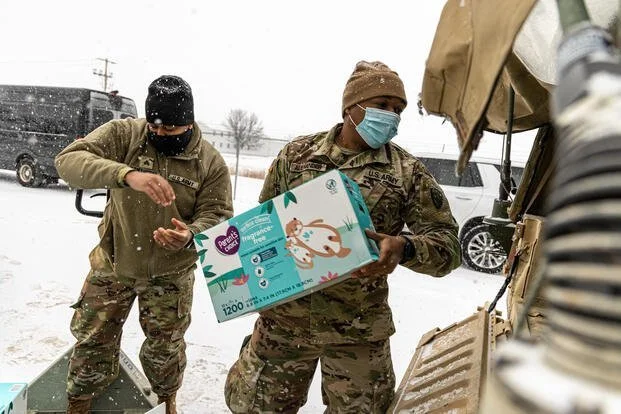
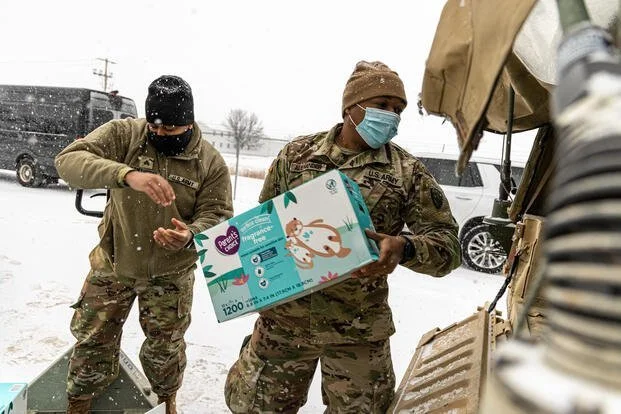
Two lawmakers in the U.S. House of Representatives have introduced a new bipartisan bill that would help military families with children and on tight budgets to purchase and gain better access to diapers and supplies.
Two lawmakers in the U.S. House of Representatives have introduced a new bipartisan bill that would help military families with children and on tight budgets to purchase and gain better access to diapers and supplies.
Reps. Valerie Foushee (D-NC) and Ryan Mackenzie (R-PA) on Tuesday introduced the Military Family Diaper Partnership Act which would establish what they call a Military Family Diaper Fund to support military families and children of servicemembers by providing reliable access to diapers and related supplies.
The legislation follows the pair’s previously introduced legislation in November 2025 called the Military Family Diaper Assistance Act, intended to also aid military families’ pocketbooks by establishing a pilot program that would connect community diaper banks with military installations to increase affordability and diapers to families in need.
“Military families make enormous sacrifices every day, moving to new communities, juggling deployments, and keeping life running at home while their loved ones serve,” Foushe said in a statement. “Caring for young children under these conditions can already be overwhelming, and access to basic necessities like diapers should never be a struggle.”
“It’s time to provide military families with the support that they’re counting on to help them grow and thrive,” he said.
Law Would Link DoD, Diaper Bank
If taken up by Congress and ultimately voted into law, this legislation would direct Defense Secretary Pete Hegseth to enter into an agreement with the National Diaper Bank Network (NDBN)—the nation’s leading organization coordinating the donation and distribution of free diapers and essential supplies across the country.
That arrangement would involve the Department of Defense providing $1 million annually from Fiscal Year 2027, which would begin in October 2026, to FY 2030 to establish the Military Family Diaper Fund.
NDBN would match those federal funds, equating to a combined total four-year investment of $8 million and support diaper distribution centers located within a 20-mile radius of military installations.
Also, per the agreement, NBDN would submit an annual report to Hegseth or whoever is the defense secretary at the time, providing detailed accounts of funding to provide transparency and accountability.
'Readiness and Economic Issue'
The Military Family Diaper Partnership Act is endorsed by NDBN and the Diaper Bank of North Carolina (DBNC) and the National Diaper Bank Network…
Spotlight Session: Diaper Bank of North Carolina
PIR- Spotlight Session: Diaper Bank of North Carolina
What started as one mother’s determination to ease her child’s pain has grown into a statewide movement addressing one of the most overlooked basic needs: access to diapers and hygiene essentials.
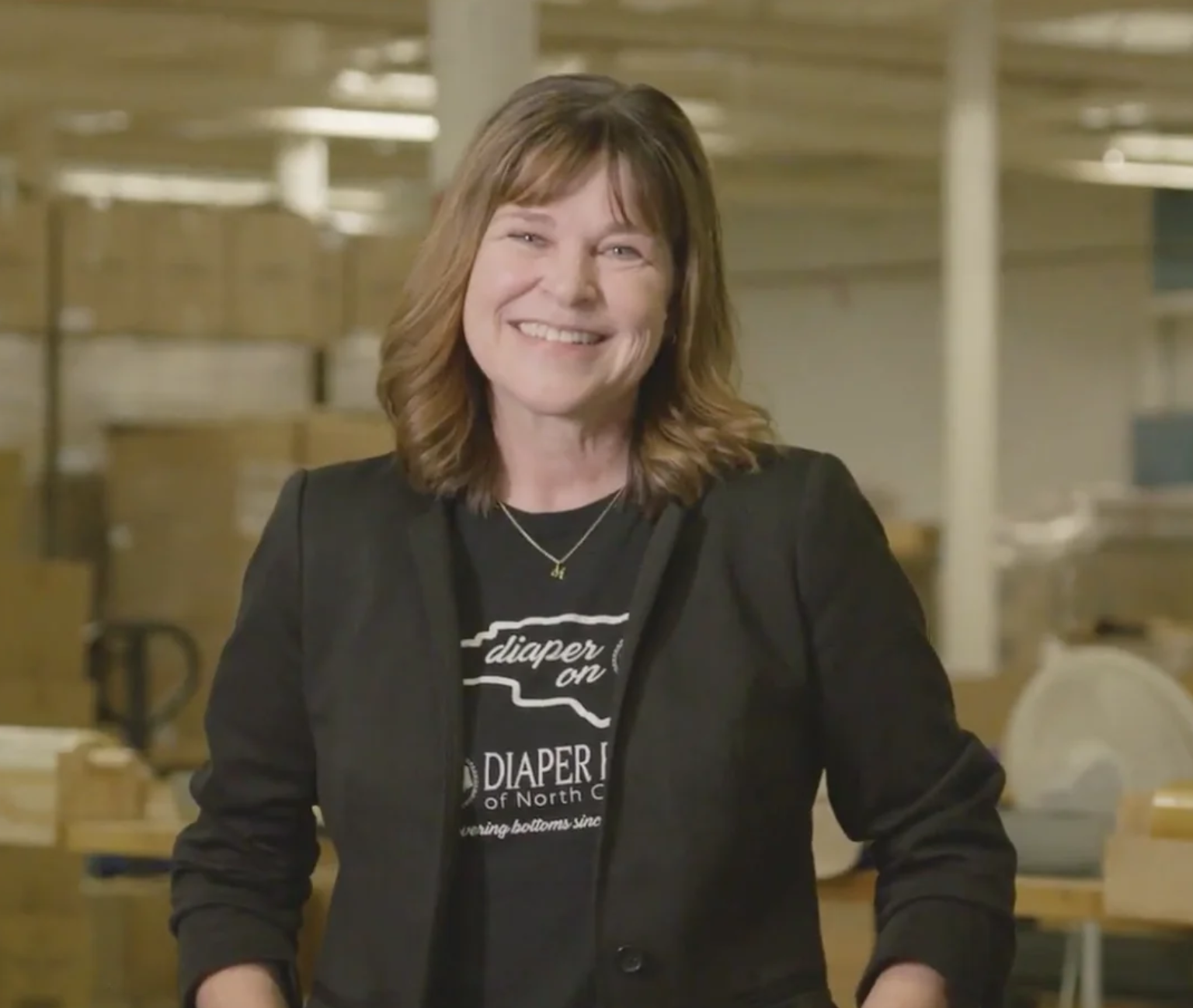
In this Spotlight Session, Michelle Schaefer, CEO and founder of the Diaper Bank of North Carolina (DBNC), shares the deeply personal moment that sparked the organization’s founding.
What started as one mother’s determination to ease her child’s pain has grown into a statewide movement addressing one of the most overlooked basic needs: access to diapers and hygiene essentials.
In this Spotlight Session, Michelle Schaefer, CEO and founder of the Diaper Bank of North Carolina (DBNC), shares the deeply personal moment that sparked the organization’s founding. After watching her youngest son suffer from severe diaper rashes, Michelle realized how many families face impossible choices between diapers and other necessities. With public assistance programs like WIC and SNAP unable to cover diapers, she saw a gap that urgently needed to be filled.